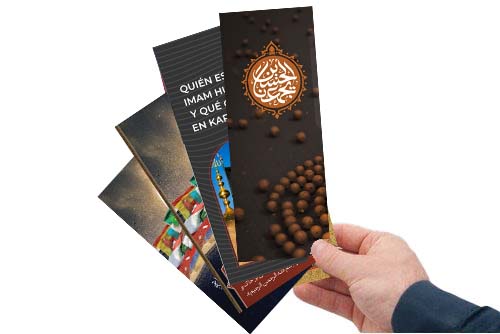
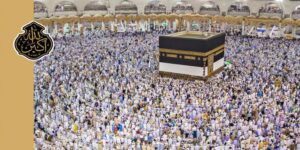
The Arba’in Walk is one of the largest peaceful gatherings in the world. Every year, millions of people from different countries walk to the holy city of Karbala in Iraq to commemorate Imam Hussain (peace be upon him), who sacrificed his life to keep Islam as the real one.
Naseriyeh Islamic Seminary Isfahan, Iran
EID-AL-GHADIR
Eid al-Ghadir is a commemorative holiday, and is considered to be among the most significant holidays of Shi’ite Muslims and Alawites.The Eid is held on 18 Dhul-Hijjah at the time when the Islamic prophet Muhammad—according to interpretation in Shia—appointed Ali ibn Abi Talib as his successor.
Naseriyeh Islamic Seminary Isfahan, Iran
IMAM HUSSAIN
Hussain ibn Ali ( January 626 – 10 October 680) was a social, political and religious leader. The grandson of the Islamic prophet Muhammad and a son of Ali ibn Abi Talib and Muhammad’s daughter Fatima, as well as a younger brother of Hasan ibn Ali,[9] Husayn is regarded as the third Imam (leader) in Shia Islam after his brother, Hasan, and before his son, Ali al-Sajjad.
Naseriyeh Islamic Seminary Isfahan, Iran
ARBAEEN
In Shia Islam, Arba’in marks forty days after Ashura, which is the martyrdom anniversary of Hussain ibn Ali, grandson of the Islamic prophet Muhammad and the third Shia imam. Husayn was killed, alongside most of his relatives and his small retinue, in the Battle of Karbala on 10 Muharram 61 AH (680 CE) against the army of the Umayyad caliph Yazid ibn Mu’awiya (r. 680–683).
Naseriyeh Islamic Seminary Isfahan, Iran
WISDOM IN GOVERNANCE
Imam Ali’s Letter to Malik al-Ashtar: The Richest Treasure
Be it known to you, O, Malik, that I am sending you as Governor to a country which in the past has experienced both just and unjust rule. Men will scrutinize your actions with a searching eye, even as you used to scrutinize the actions of those before you, and speak of you even as you did speak of them.
Naseriyeh Islamic Seminary Isfahan, Iran
WHY ALCOHOOL IS FORBIDEN IN ISLAM
As proof of the prohibition, Islamic scholars and Muslim religious authorities typically point to a verse in the Quran, the Muslim holy book, that calls intoxicants “the work of Satan” and tells believers to avoid them. Additionally, they cite sayings of Prophet Muhammad and the negative effects that alcohol can have.
Naseriyeh Islamic Seminary Isfahan, Iran
WHY PORK IS FORBIDEN IN ISLAM
Muslims refrain from eating pork for a variety of reasons, including religious principles, cultural morals, and health concerns. This diet is influenced by the Quran’s explicit prohibition, the idea that pigs are unclean (najis), cause various health hazards, and the desire to submit to Allah’s will.