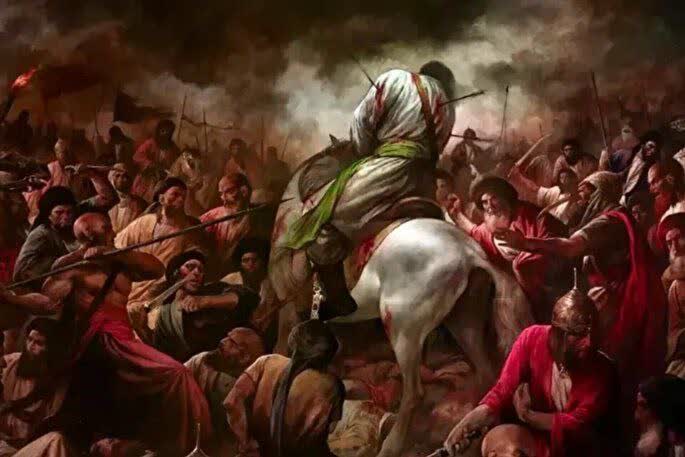
Let's transform the culture of Ashura into a global language through dramatic works.

Throughout the centuries, the Ashura incident has been not just a historical event, but an eternal model of truth-seeking, anti-oppression, freedom, and human dignity. This event is an endless source for producing concepts and narratives that can be expanded both on a dramatic level and on a philosophical and civilizational level. Cinema, theater, and television, as influential artistic tools, can narrate various aspects of this great uprising; but the question is why we have witnessed fewer noble, coherent, and lasting works in this field. In the contemporary era, when the spheres of global culture are the target of image domination and planned narratives of arrogant powers, the void of an intelligent and influential representation of Ashura is felt more than ever. The confrontation between good and evil, which reached its peak in the desert of Karbala, has found concrete and tangible examples in the Middle East today, in the confrontation of the oppressed with the Zionist regime and the system of domination. This historical continuity is an opportunity for artists and cultural custodians to use Ashura as an expressive and universal language for narrating the truth. In the meantime, the role of governments and the cultural policy-making system of countries in exploiting this civilizational potential is decisive

If the culture of Ashura is placed in an appropriate context of support, planning, infrastructure and production, it can undoubtedly become one of the axes and components of the cultural diplomacy of the Islamic Republic of Iran. This goal requires that cultural officials not consider art to be just a means of entertainment and have a deeper understanding of the potential hidden in religious and historical narratives. Unfortunately, as we have seen in past experiences, the lack of attention to the connection between economy and culture has prevented artists in fields such as Ashura cinema and works related to the resistance from receiving the necessary support. The lack of funding, the lack of distribution and advertising infrastructure, and the lack of attention to regional markets are among the factors that have prevented the realization of powerful works in this field. These shortcomings are more directed at the cultural decision-making system than at the artist.

Our tourists Testimonials

“This was my first time traveling to Iran and it is a truly beautiful country with kind people. This Naseriyeh school also had a good conversation program for tourists. I recommend everyone to travel to Iran.”
Rostova
“A testimonial from a client who benefited from your product or service. Testimonials can be a highly effective way of establishing credibility and increasing your company's reputation.”
Elvira
“A testimonial from a client who benefited from your product or service. Testimonials can be a highly effective way of establishing credibility and increasing your company's reputation.”
Wang